
 Built for Shopify
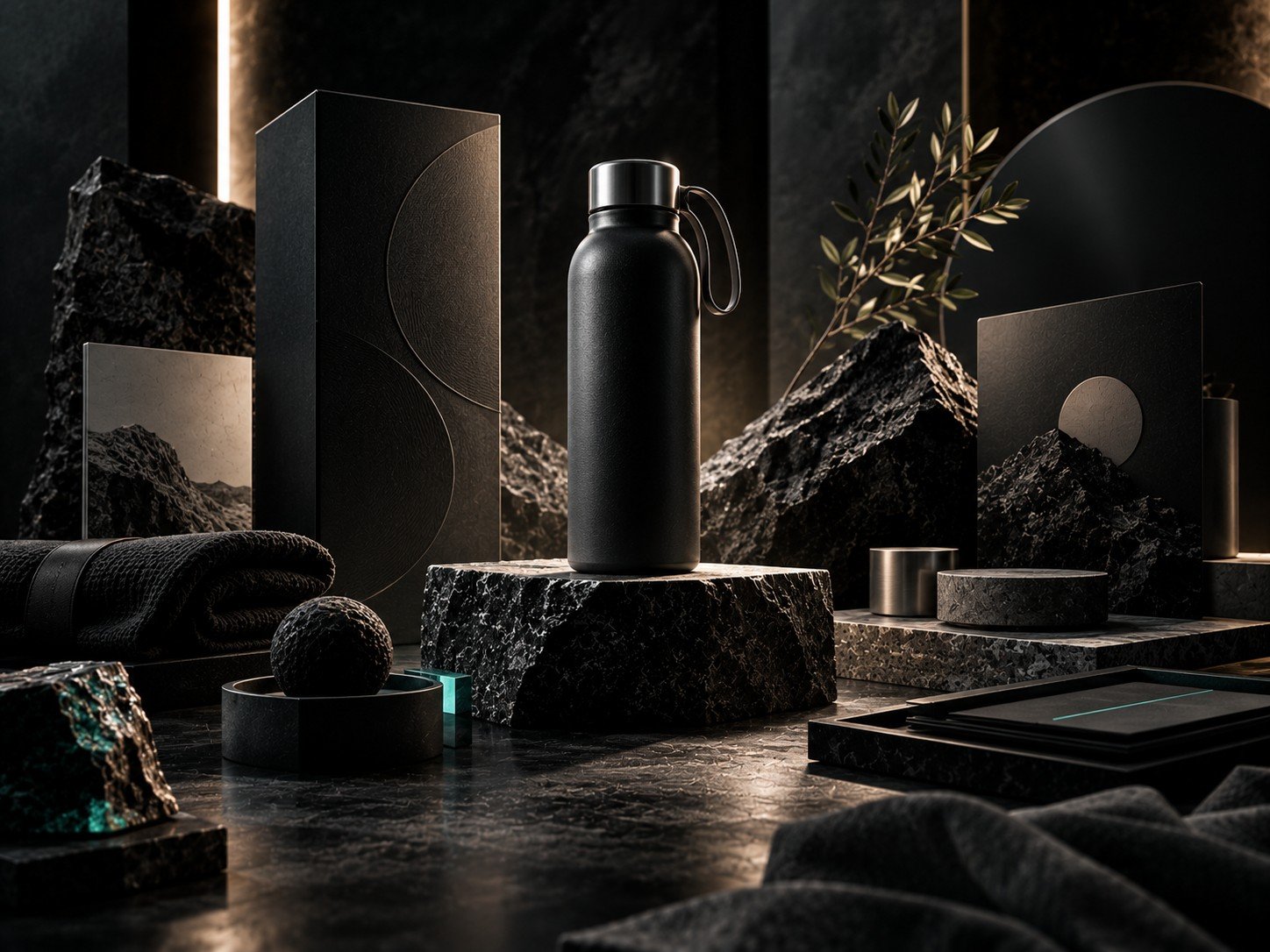
A one-product store doesn't have a catalog to fall back on. There's no "browse something else" if the homepage doesn't land. Every section has to do the work a whole store usually splits across dozens of pages - which is exactly why one-product stores either convert unusually well or fail fast, with very little middle ground.
That's a constraint, but it's also an advantage - a single product gives you room to explain, demonstrate and reassure in a way a general catalog store rarely can.
A one-product homepage has one job: answer every objection before the customer has to ask.
Why One Product Can Work
A catalog store spreads a shopper's attention across dozens of products, and each individual page gets a fraction of the design and copywriting effort. A one-product store concentrates everything - photography, copy, proof, and layout - on convincing one specific person to buy one specific thing. That focus is what makes strong one-product stores feel more like a magazine feature than a typical shop.
The Sections That Do the Work
- A storytelling homepage that walks through the problem, the product and the proof, in order
- A comparison section showing your product against the generic alternative
- Social proof - reviews, photos or video - placed right where hesitation usually kicks in
- Bundle or quantity discounts to lift average order value without adding new products
- An FAQ section that directly answers the objections your support inbox already sees
Structure the Story in the Right Order
The order these sections appear in matters as much as the sections themselves. Lead with the problem your visitor already has, not your product - they'll recognize themselves in it before they've even seen what you're selling. Introduce the product as the solution, back it up with proof exactly where doubt would naturally creep in, and only then ask for the sale. Reversing this order, product first and story second, is the most common reason a well-built one-product page still underperforms.
Pick a Product That Actually Fits the Format
Not every product suits a one-product store. The format works best for products that solve one clear, specific problem, benefit from demonstration or explanation, and have room for a genuinely interesting story - how it's made, why it's different, who it's for. A commodity item with no differentiation gives a one-product homepage very little to say, no matter how well it's structured.
Use Video Where It Earns Its Place
A short demonstration video, even a simple one filmed on a phone, often does more to build confidence than several paragraphs of description - especially for products where "how it works" or "how it feels" is hard to convey in a still photo. Place it where the story naturally raises the question "but does it actually work?", not just at the top for the sake of having video on the page.
Answer Objections Before They're Asked
Without a catalog to browse, hesitation has nowhere to go except away from your site entirely. Your FAQ section should be built directly from the actual questions your support inbox receives, not generic placeholders - if customers keep asking about durability, sizing or how it compares to a competitor, that answer belongs on the page itself, not three emails deep.
None of this requires a big team - it requires a homepage layout built for long-form storytelling rather than a generic grid of products, and the same trust-building details that boost conversion on any product page apply here too, just concentrated into a single, longer page.

Launching a One-Product Store?
Put these sections together without writing a single line of code.
This is an affiliate link - we may earn a commission at no additional cost to you.
Frequently Asked Questions
Is a one-product store riskier than a multi-product store?
It concentrates risk into a single offer, so demand validation matters more upfront - but it also removes the complexity of managing a full catalog while you're starting out.
How long should a one-product homepage be?
Long enough to fully tell the story and answer objections, and no longer - length isn't the goal, completeness is. Some products need a few scrolls, others need considerably more.
Can I add more products later?
Yes. Many successful one-product stores expand into a small catalog once the first product proves demand and the brand has an audience.
Do I need video for a one-product store to work?
It helps but isn't required - strong photography, clear copy and real customer proof can carry a page on their own if video isn't an option yet.